In-Building Signal Booster System for Office Buildings and Large Commercial Spaces

Table of contents
Modern office buildings and large commercial spaces face significant challenges with mobile signal coverage due to construction materials like steel, concrete, and energy-efficient glass that naturally block radio frequencies. These structural elements create mobile dead zones, resulting in dropped calls, slow data speeds, and frustrated employees and customers.
An in-building signal booster system provides comprehensive solutions for these connectivity issues by capturing weak external signals and amplifying them throughout entire buildings. These sophisticated systems ensure reliable communication for hundreds of simultaneous users while supporting all four UK networks and emerging 5G technologies. This article explores the technical aspects of commercial signal amplification technology and examines the professional requirements for successful system deployment.

Understanding commercial signal booster technology and coverage options
How commercial signal boosters work
Commercial mobile boosters operate through a three-stage process that transforms weak outdoor signals into robust indoor coverage. The system begins with an external antenna mounted on the building's roof or exterior wall, strategically positioned to capture the strongest available mobile signal from nearby mobile towers. This outside antenna feeds the captured signal through coaxial cables to a central amplifier unit that boosts the signal strength across multiple frequency bands simultaneously.
The amplified signal then travels through a distribution network to multiple indoor antennas strategically placed throughout the building. These indoor dome antennas broadcast the enhanced signal, creating comprehensive coverage zones that eliminate dead spots and ensure consistent connectivity. The system operates bidirectionally, meaning it also amplifies signals from mobile devices back to the mobile towers, improving both upload and download performance.
- Signal capture through high-gain external antennas
- Amplification across multiple mobile frequency bands
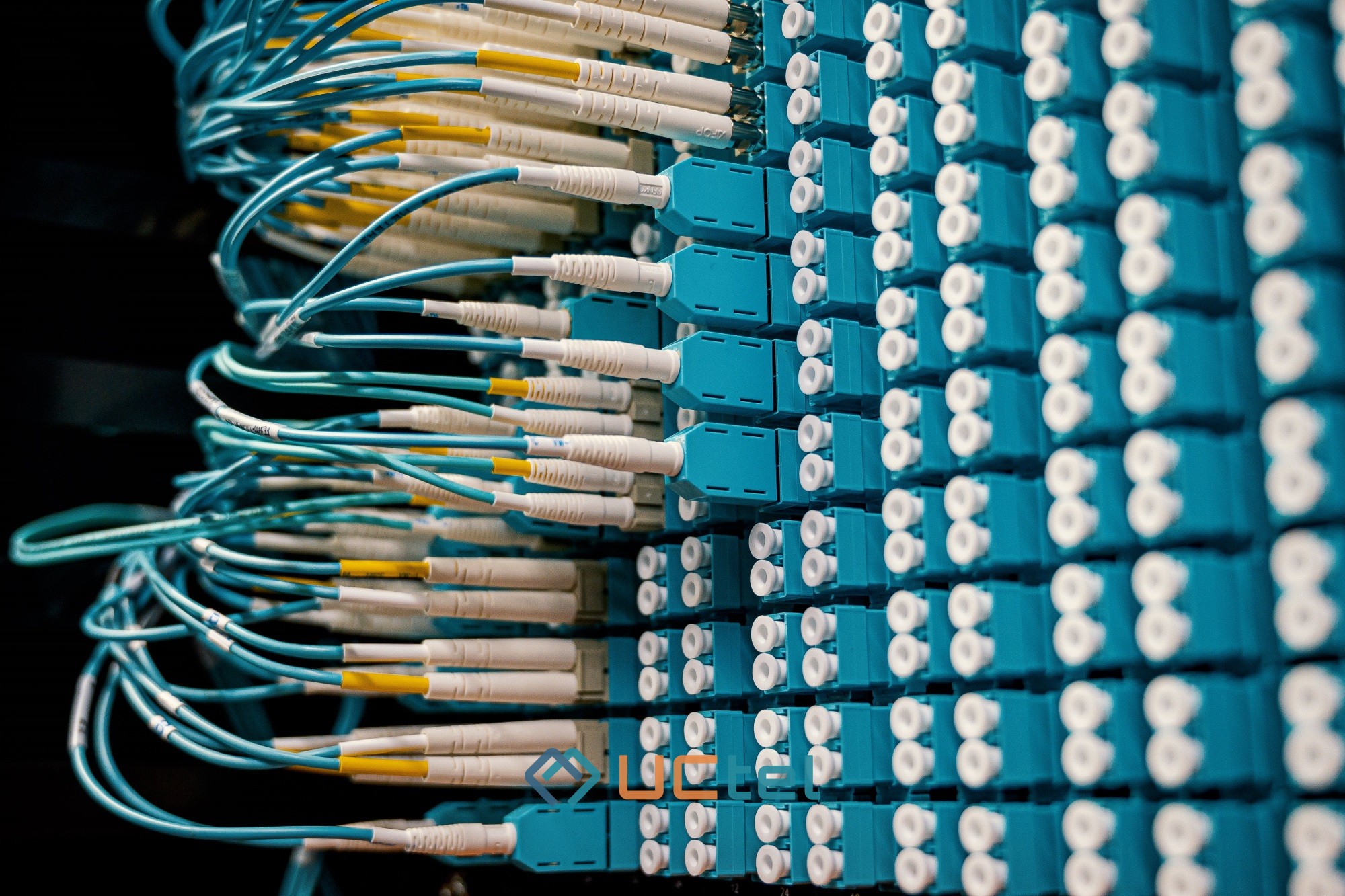
- Distribution via coaxial cables or fibre optic networks
- Broadcast through strategically positioned indoor antennas
- Bidirectional signal enhancement for optimal performance
Advanced systems utilise sophisticated automatic gain control mechanisms that continuously monitor signal levels and adjust amplification accordingly. This prevents overamplification that could interfere with mobile networks while maximising signal strength throughout the coverage area.

Coverage area classifications and capacity
Enterprise solutions represent the highest tier of commercial signal boosters, designed for massive facilities requiring coverage from 9,290–46,452 square metres. These systems support hundreds of simultaneous users across multiple frequency bands and can accommodate complex multi-building installations through scalable architectures.
| System Category | Coverage Area | User Capacity | Antenna Count |
| Enterprise Level | 9,290–46,452 m² | 500+ users | 8-16 indoor antennas |
| Mid-Range Commercial | 2,787–4,645 m² | 200-300 users | 4-8 indoor antennas |
| Small Commercial | 1,394–3,252 m² | 100-200 users | 2-4 indoor antennas |
Mid-range commercial installations typically serve office buildings, warehouses, and multi-story facilities requiring coverage up to 4,645.15 square metres. These systems balance performance with cost-effectiveness, supporting 200 to 300 simultaneous users while maintaining excellent signal quality across all supported bands.
- Small commercial systems for businesses under 3,252 square metres
- Mid-range solutions covering 2,787–4,645 square metres
- Enterprise-level systems handling up to 46,452 square metres
- Scalable architectures for future expansion needs
- Capacity planning based on concurrent user requirements
Coverage effectiveness depends heavily on existing signal strength from nearby mobile towers and building construction materials. Buildings with strong exterior signals typically achieve maximum coverage areas, while structures in weak signal environments may require additional remote units or higher-gain antennas to achieve optimal performance.
multi-network compatibility and frequency bands
Modern commercial boosters support all four UK networks simultaneously, eliminating the need for separate systems for different mobile networks. These multi-network compatible systems amplify signals across numerous frequency bands, ensuring comprehensive coverage regardless of which network employees or visitors use.
- Band 20 (800 MHz) for long range and building penetration
- Band 3 (1800 MHz), the main 4G capacity band
- Band 1 (2100 MHz) for extra 4G capacity
- Band 8 (900 MHz) for wide-area coverage
- Band 7 (2600 MHz) for high-capacity 4G in busy areas
Advanced systems add the 5G bands n28 (700 MHz) and n78 (3.4–3.8 GHz) for 5G compatibility and faster data. The 700 MHz band also gives good building penetration and wide coverage, making it particularly valuable for large buildings with challenging RF environments.
- Support for emerging 5G frequency allocations
- Backward compatibility with 3G and 4G standards
- Simultaneous amplification across multiple bands
- Automatic band detection and optimisation
- Future-ready architecture for new frequency assignments
The signal system automatically detects and amplifies active frequencies while filtering out noise and interference. This intelligent frequency management ensures optimal performance across all supported bands without degrading service quality or causing network interference.

Professional installation requirements and system configuration
Site survey and custom design process
Professional installation begins with comprehensive site surveys that analyse existing signal strength, identify optimal antenna placement locations, and assess building characteristics that affect RF propagation. Experienced technicians use specialised equipment to measure signal levels throughout the facility, creating detailed coverage maps that guide system design.
- Comprehensive RF signal strength measurements
- Building material analysis for signal penetration
- Identification of interference sources and obstacles
- Optimal antenna placement recommendations
- Cable routing and infrastructure assessment
Custom design processes consider factors such as building layout, occupancy patterns, and specific coverage requirements. Engineers analyse floor plans to determine the most effective antenna configurations, ensuring full coverage while minimising installation complexity and system costs.
- Detailed floor plan analysis and coverage modeling
- User density mapping for capacity planning
- Integration planning with existing infrastructure
- Regulatory compliance verification
- Performance specification documentation
Site surveys also identify potential challenges such as elevator shafts, stairwells, and areas with dense metal construction that may require specialised antenna solutions or additional remote units to achieve adequate coverage.
Antenna configuration options
Indoor coverage relies on strategically positioned antennas that distribute amplified signals throughout the building. Indoor dome antennas provide omnidirectional coverage patterns ideal for open office spaces, while panel antennas offer directional coverage for corridors and specific zones requiring targeted signal enhancement.
| Antenna Type | Coverage Pattern | Ideal Applications | Coverage Radius |
| Dome Antennas | Omnidirectional | Open offices, lobbies | 9.14–15.24 metres |
| Panel Antennas | Directional | Corridors, conference rooms | 12.19–18.29 metres |
| EDGE Antennas | Specialised pattern | Distributed coverage | 6.10–12.19 metres |
External antenna configurations vary based on local signal conditions and tower locations. Omnidirectional antennas capture signals from multiple directions, while directional arrays focus on specific mobile towers for maximum signal gain in challenging environments.
- Omnidirectional antennas for multi-tower environments
- Directional LPDA arrays for targeted signal capture
- High-gain configurations for weak signal areas
- Weather-resistant designs for outdoor installations
- Impedance matching for optimal signal transfer
Advanced installations may incorporate fibre DAS systems that utilise fibre optic cables for signal distribution over long distances with minimal signal loss. These systems support multiple remote units connected to a central master unit, enabling coverage of extremely large facilities or multi-building complexes.
Monitoring and management features
Modern commercial installations include sophisticated monitoring capabilities through web-based portals that provide real-time system performance data. These management interfaces allow facility managers to monitor signal levels, track user activity, and receive alerts about system status or potential issues.
- Real-time signal strength monitoring across all bands
- User activity tracking and capacity utilisation
- Automatic alert generation for system anomalies
- Performance optimisation recommendations
- Historical data analysis and reporting
Bluetooth monitoring capabilities enable technicians to perform system diagnostics and adjustments using mobile applications. These tools provide signal meter functionality, allowing precise measurement of signal levels during installation and ongoing maintenance procedures.
- Mobile app connectivity for field diagnostics
- Signal meter functionality for precise measurements
- Remote gain adjustment capabilities
- System configuration management tools
- Maintenance scheduling and alert systems
Remote monitoring services through cloud-based platforms ensure continuous system optimisation and proactive maintenance. These services typically include 24/7 monitoring, automatic performance adjustments, and immediate notification of any issues requiring attention, ensuring maximum uptime and optimal performance for critical business communications.
Ready to enhance connectivity in your building? Contact us today to discuss your needs and get a personalized quote for our in-building signal booster system.