O2 Mobile Phone Signal Booster Solutions for Weak Signal

Table of contents
Key Takeaways
- Poor O2 signal can be caused by location, buildings, congestion or device issues
- Installing an O2 mobile phone signal booster improves call quality and data speed
- UCtel provides professional signal solutions for homes and businesses
- Trusted by major organisations including the NHS
- A booster is a long term fix for ongoing O2 reception problems
Why Your O2 Signal is So Bad and How to Fix It
A poor mobile signal can cost you a potential client, a lucrative job offer, and a night out with friends. Especially if you reside in remote areas or so-called “dead zones,” you might experience low signal quite often.
Even though O2 is one of the largest mobile service providers in the United Kingdom, it sometimes fails to transmit a perfect signal to everyone in the country. Installing an O2 mobile phone signal booster is one of the most effective ways to restore reliable connectivity.
In this article, we will dive into the most common reasons for bad O2 signal and suggest a solution from UCtel.
About the O2 Mobile Network
Overview
O2 UK (legally incorporated as Telefónica UK Limited) is a British telecommunications service provider with over 31 million subscribers.
According to Statista, more than 90% of their user base is fairly or very satisfied with the services, and the number of subscribers steadily grows from year to year.
O2 allows access to 2G, 3G, 4G, and even the latest 5G networks across the UK.
3G Coverage and Limitations
O2 strives to provide broad coverage where it serves, including urban and rural areas. That is, they reach 99% of UK citizens with 3G coverage.
However, it's an outdated technology with slow Internet speed (up to 1.5 Mbps), which is usually not enough for successful business operations or personal use.
4G Performance Across the UK
4G offers significantly improved speeds, reaching up to 20 Mbps. This level of bandwidth supports smoother browsing, audio calls and video conferencing.
That said, 4G coverage does not always match competitors such as Three UK or EE in certain remote areas. As a result, connectivity issues may still occur depending on location.
5G Expansion and Availability
O2’s 5G network delivers speeds of up to 150 Mbps. However, coverage currently extends to around 50% of the UK, meaning availability is still developing in many regions.
Why Network Performance Can Vary
Even with strong national coverage statistics, real world performance can differ due to:
- Geographic location
- Distance from the nearest mast
- Network congestion
- Device compatibility
- Environmental and building factors
If your connection speed falls well below what your tariff promises, installing an amplifier for O2 can significantly improve indoor reception, delivering stronger calls and faster data speeds at home or in the office.
Why is your O2 Signal So Bad?
Even with a strong national network, you may still experience O2 reception issues. Here are the most common causes.
1. Your phone is malfunctioning
Sometimes, your phone settings might change for no reason, and you will find yourself in a situation when an O2 mobile network is not available.
Open your settings and make sure your phone isn't in aeroplane mode and that mobile data is activated. Also, check whether date and time settings correspond to your timezone, as even small things like that can cause glitches.
If none of these measures improved the signal, try to restart your device and take a look at your SIM card. Sometimes, it might get damaged or misplaced, resulting in O2 coverage issues.
2. The coverage in your area is weak
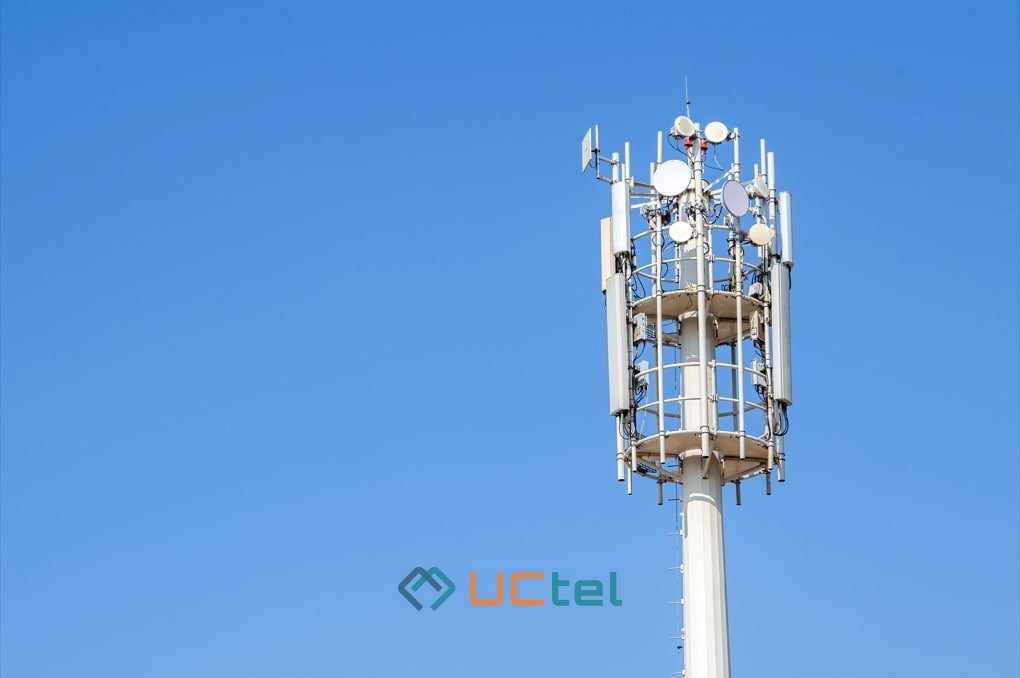
The reason for the O2 network issues can be a large distance from your location to the nearest mobile mast.
You can try to toggle between 3G, 4G, and 5G in your settings to check which network works better. Even though 5G is technically faster, the signal will be worse if the corresponding mast is farther away from your location than a 4G mast.
Alternatively, high traffic might temporarily affect the quality of the calls and messages on holidays and other important events. You may want to leave a crowded place to avoid traffic or simply wait till the holiday is over to make your calls.
3. Your building’s materials are blocking the signal
Building materials are one of the most common reasons for O2’s poor signal. E-glass, metal, concrete, and bricks are known for causing interruptions, obstructing phone signals, and decreasing the quality of communication.
To various degrees, most modern materials used in construction will hinder your signal. Placing your work desk near a window or making calls outside can improve your O2 connection.
4. There are temporary structures around
If your signal used to be reliable and became scarce out of nowhere, it might be due to temporary structures nearby. For example, if your office building is undergoing construction, there might be structures like cranes or scaffolding around it that block the signal.
On top of that, construction equipment can add to the O2 data problem and cause further interference to the signal. If possible, leave the renovated building and make your calls elsewhere for the time being.
5. Weather conditions
When you hear about weather conditions causing an O2 network issue, you probably imagine a thunderstorm, lightning, heavy rain, or other extreme situations.
In reality, even a cloudy or snowy day can affect your signal strength and availability. Mobile phones utilise electromagnetic waves, so even slightly worse weather conditions can cause delays, interruptions, and inconsistencies in your signal.
Sometimes, even solar flares impact signal stability and lead to you having no O2 service.
6. Malfunctions on the operator's side
From time to time, O2 may carry out maintenance or upgrades to their infrastructure, which may result in temporary signal interruptions or reduced coverage. To determine if O2 network problems are operator related, you can visit the official O2 website or their social media channels to see if there are any reports of problems with the O2 network.
Also, you can contact the support service, ask relatives or neighbours if they have connectivity issues, or visit forums or local news resources.
Signal Boosters — Solving O2 Reception Issues
An O2 mobile phone signal booster is designed to capture weak outdoor signal, amplify it and distribute it indoors.
A typical system includes:
- Outdoor antenna
- Amplifier unit
- Indoor antenna
- Cabling
The outdoor antenna collects the available signal. The amplifier strengthens it. The indoor antenna distributes improved coverage throughout your property.
The result is:
- Clearer calls
- Faster data speeds
- Fewer dropped connections
- Consistent coverage in previously dead zones
How UCtel Can Help?
UCtel is a specialist mobile signal solutions provider delivering tailored coverage improvements across the UK. UCtel works with businesses, healthcare providers and homeowners to implement reliable signal boosting systems.
UCtel has earned the trust of major institutions including the NHS, installing advanced signal solutions to eliminate dead zones in hospital environments.
During the pandemic, hospitals faced critical communication challenges. UCtel installed CEL-FI signal boosters, transforming unreliable areas into spaces with strong and stable connectivity. This enabled faster emergency response and improved communication across departments.
With UCtel, you benefit from:
- Professional site assessment
- Compliant signal boosting equipment
- Expert installation
- Ongoing technical support
If weak O2 coverage is affecting your operations, UCtel provides a dependable long term solution.
Is the O2 Network a Good Choice?
The O2 network can be a good choice for many people, but it ultimately depends on your specific needs and circumstances. Let's look at some factors to consider when evaluating whether the O2 network is a good choice for you.
Coating
O2 is one of the largest mobile operators in the UK, and the company invests in expanding its coverage.
However, it's important to check the network coverage in the places where you spend most of your time, including your home and workplace. Make sure the O2 network provides reliable coverage in these areas.
Network performance
O2 strives to provide good network performance, including link quality, data transfer speed, and reliability.
You can find information on their official site about the average data transfer speed and network performance in your area to see if it meets your requirements. Please be aware that network speed may vary based on location, congestion, and device compatibility.
Plans and prices
You also need to evaluate the plans and pricing options offered by O2. Consider data limits, minutes, texts, and any additional benefits or privileges included in the plans.
Compare them to your usage patterns and budget to determine if the plans fit and offer good value for your needs.
Customer service and support
One of the biggest drawbacks of the O2 is its low-quality customer support. Many people complain that they can't reach the customer support team, and even when they do, they often fail to resolve their problems.
Therefore, if you are not a confident smartphone user, it might be a good choice to look for other operators with better customer service.
Additional services and features
Please consider any additional services, features, or benefits offered by O2.
For example, they may provide access to exclusive content, priority ticketing, or international roaming options that suit your travel preferences or needs.
Final Thoughts
Reliable mobile connectivity is essential for both businesses and households. Persistent weak signal can disrupt productivity and cause unnecessary frustration. Investing in an O2 mobile phone signal booster from UCtel ensures stronger calls, faster data and dependable indoor coverage.
Contact UCtel today to discuss your signal challenges and discover how a professional boosting solution can transform your connectivity.